Limmud Ukraine Returns to Lviv During Wartime: A Powerful Celebration of Jewish Resilience and Hope
For the first time since the outbreak of war in 2022, hundreds of participants from across Ukraine gathered in Lviv for a weekend Limmud.
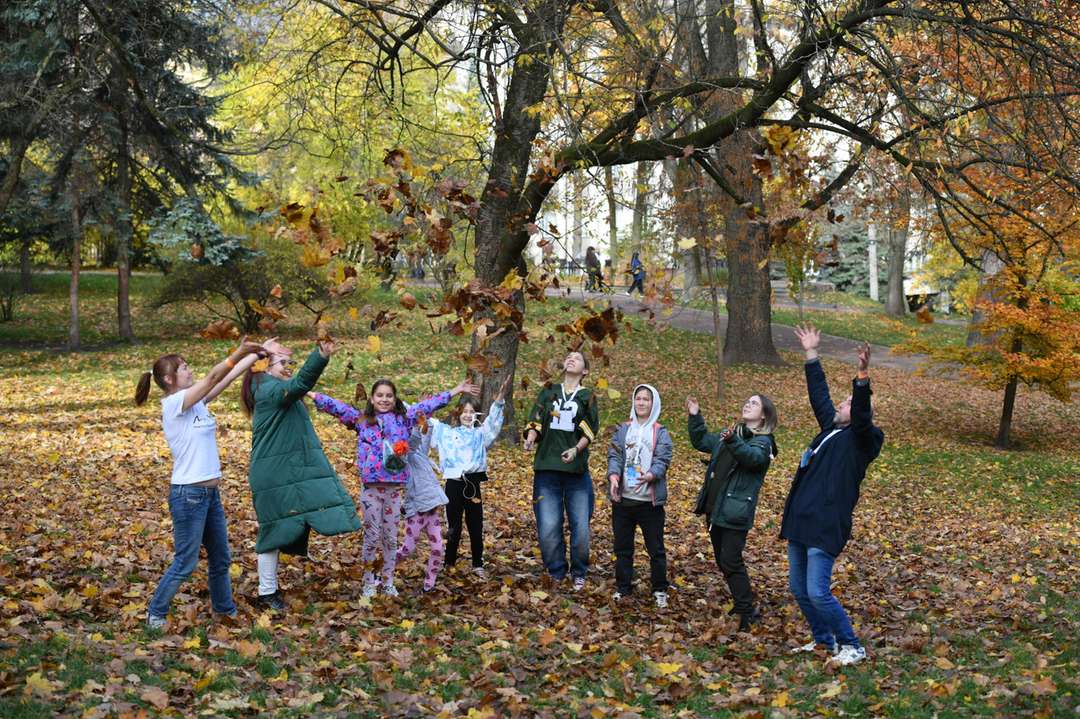
October 2025: This fall Limmud FSU marked a deeply symbolic and emotional milestone as Limmud Ukraine returned to its longtime home base in the western Ukrainian city of Lviv for the first time since the outbreak of the war in 2022. Against the backdrop of war, uncertainty, displacement, and profound emotional hardship, more than 300 participants from communities across Ukraine gathered for a remarkable three-day festival of Jewish learning, dialogue, culture, and communal solidarity — demonstrating in the clearest possible way that Jewish life in Ukraine remains alive, vibrant, and unbreakable.
The conference became far more than an educational event. For many participants, it represented a deeply emotional act of resilience, continuity, and hope. Individuals and families traveled from different corners of Ukraine, many carrying with them the emotional burden of wartime realities, separation from loved ones, disrupted lives, and ongoing uncertainty about the future. Yet despite these immense challenges, participants came together once again as a community to learn, reconnect, celebrate Jewish identity, and reaffirm the enduring strength of Jewish life and culture in Ukraine.
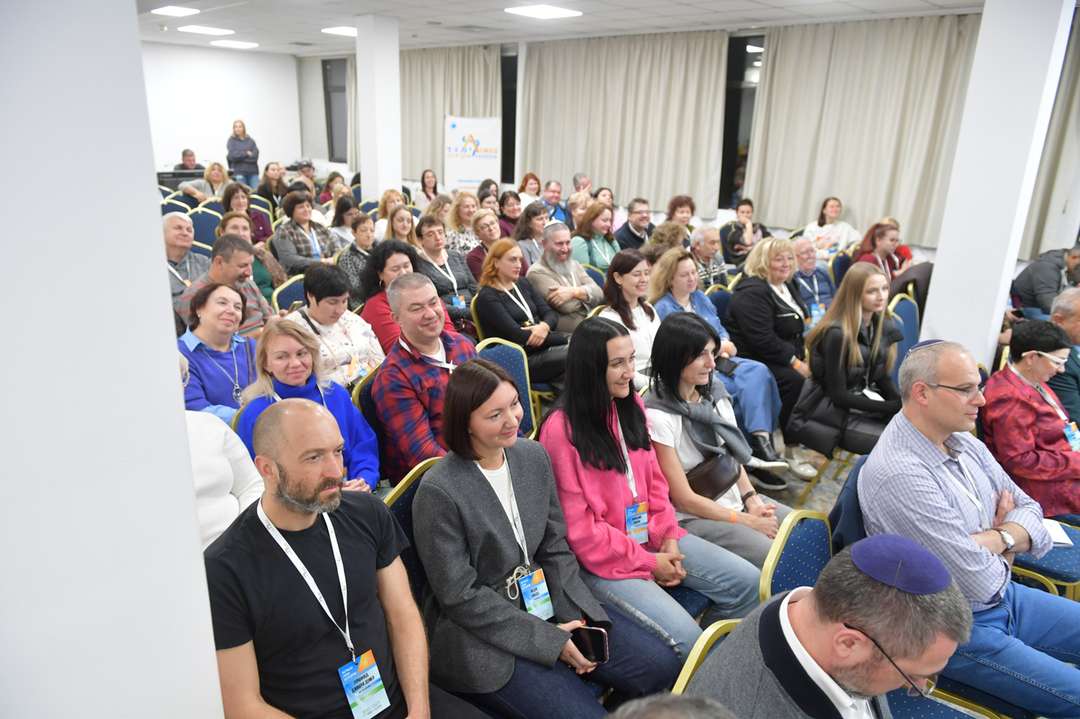
Throughout the conference, the atmosphere was marked by an extraordinary sense of warmth, unity, and emotional renewal. Organizers described the gathering as “a rare space of emotional renewal in these difficult days — a chance to reconnect, learn, and celebrate Jewish culture in the heart of Western Ukraine.” Participants repeatedly emphasized how meaningful it was simply to be together again: to study, sing, discuss, celebrate Shabbat, share stories, and once again experience the feeling of belonging to a living and resilient Jewish community.
The conference program featured dozens of educational and cultural sessions dedicated to Jewish history, heritage, identity, contemporary Jewish life, leadership, Holocaust remembrance, Israel, and the challenges facing Jewish communities today. Through lectures, workshops, discussions, exhibitions, artistic performances, and communal activities, participants engaged not only intellectually, but emotionally and spiritually as well. The gathering created a rare environment where learning, memory, culture, and human connection became deeply intertwined.
A distinguished group of international guests, public figures, artists, and educators participated in the event, including Israeli Ambassador to Ukraine Michael Brodsky, head of KKL-JNF in Ukraine Leonid Kagan, internationally recognized composer Joshua Daniel Gershfield, author of the acclaimed rock musical RISE, dedicated to Jewish resistance during the Holocaust, as well as prominent Ukrainian war photographers and cultural figures.
Natasha Cheshik, Executive Director of Limmud FSU, noted that the return to Lviv was “perhaps one of the most meaningful moments in our entire existence,” emphasizing the deep pride and hope felt by the community as participants gathered once again “to learn, to dream, and to celebrate life.”
.webp)
Founder Chaim Chesler reflected on the extraordinary significance of the moment, stating that when Limmud FSU was first established twenty years ago, moments like this could only be imagined. To return to a city with such profound Jewish historical roots and witness hundreds of people coming together for learning, dialogue, and joy during wartime was, in his words, “profoundly moving” and proof that “Jewish life in Ukraine is unbreakable.”
The conference concluded with an uplifting concert by renowned Ukrainian musician Pianoboy, leaving participants with a renewed sense of hope, solidarity, emotional strength, and communal connection. For many attendees, the final evening symbolized not only the conclusion of a conference, but a reaffirmation of life itself — a reminder that even during periods of darkness and uncertainty, culture, community, learning, and human connection continue to endure.